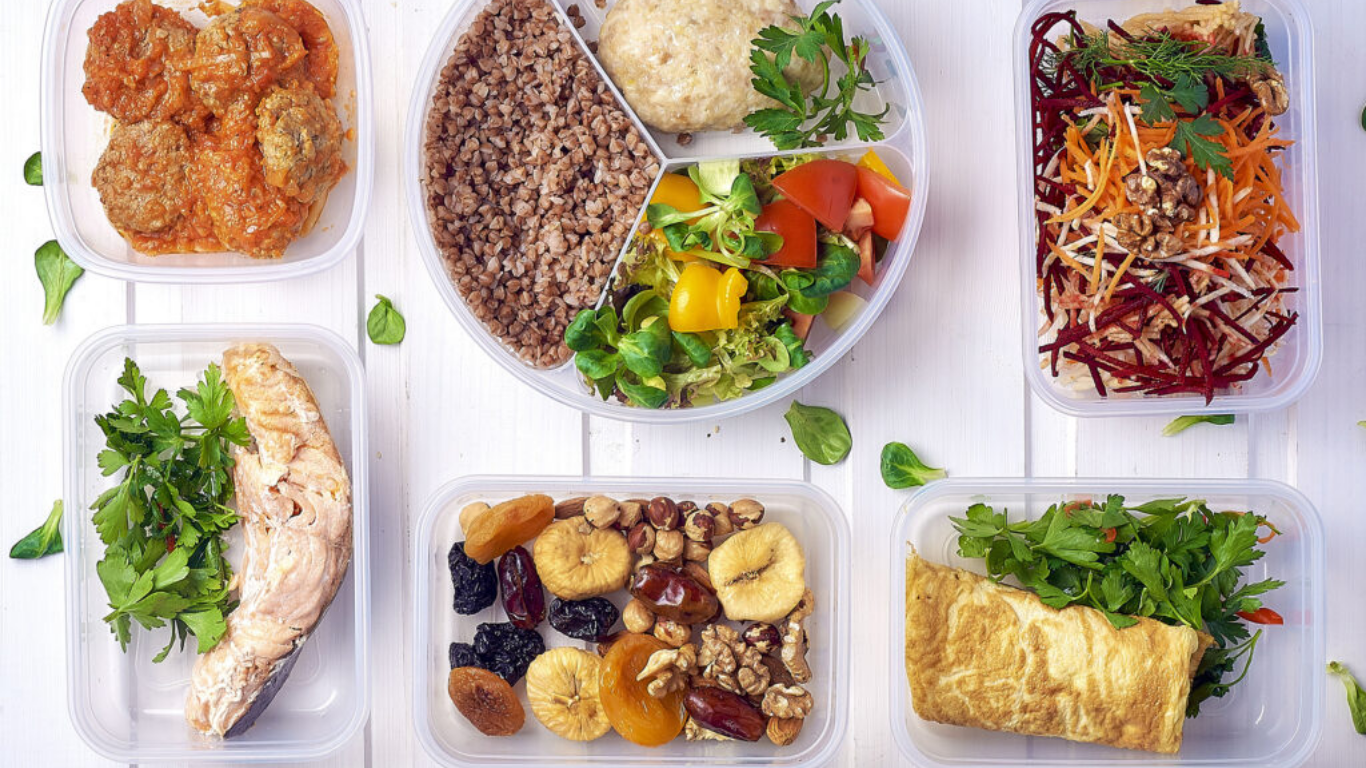
In a world where time feels increasingly limited, preparing healthy meals every day can be overwhelming. Busy work schedules, family responsibilities, and social commitments often lead people to rely on fast food or processed meals. This is where meal preparation, commonly known as meal prep, becomes a powerful solution. Learning how to meal prep like a pro helps you take control of your nutrition, reduce stress, and maintain consistency in your eating habits.Meal prep is not about eating the same boring food every day. Instead, it is about smart planning, efficient cooking, and making intentional choices that support a healthier lifestyle. Whether your goal is weight management, saving money, or simply eating better, meal prepping can transform your daily routine.
Understanding Meal Prep
Meal prep is the practice of planning, preparing, and storing meals or ingredients ahead of time. This preparation can cover a few days or an entire week. Meals are stored in containers and are ready to eat or reheat when needed.
There are different approaches to meal prep:
-
Preparing full meals in advance
-
Cooking ingredients separately to mix and match
-
Batch cooking and freezing portions for later use
The flexibility of meal prep makes it suitable for people with different schedules and dietary needs.
Why You Should Meal Prep Like a Pro
Meal prepping offers numerous benefits that go beyond convenience.
Saves Valuable Time:
Cooking every day requires planning, shopping, cooking, and cleaning. When meals are prepared in advance, you only need to reheat and enjoy them, saving hours during the week.
Helps You Eat Healthier:
When healthy meals are already prepared, you are less likely to choose unhealthy snacks or fast food. Meal prep supports balanced nutrition and portion control.
Reduces Food Expenses:
Buying groceries with a plan helps avoid impulse purchases. Cooking at home in bulk is significantly cheaper than ordering takeout regularly.
Minimizes Stress:
Knowing what you will eat each day removes the daily decision-making burden. This mental relief makes meal prep a powerful stress-reduction tool.
Step One Set Clear Meal Prep Goals
Before you start meal prepping, it is important to define your goals. Your goals will guide your meal choices and portion sizes.
Common meal prep goals include:
-
Weight loss or weight maintenance
-
Muscle building or fitness support
-
Improving overall health
-
Saving time and money
-
Managing dietary restrictions
Clear goals help you create a sustainable and realistic meal prep routine.
Step Two Plan Your Meals in Advance
Planning is the backbone of professional-level meal prep.
Create a Weekly Meal Plan:
Decide how many meals you need for the week. This may include breakfast, lunch, dinner, and snacks. Beginners should start small to avoid burnout.
Choose Balanced Meals:
A well-prepped meal usually contains:
-
Protein for muscle and energy
-
Carbohydrates for fuel
-
Healthy fats for satiety
-
Vegetables for vitamins and minerals
Balanced meals keep you full and energized throughout the day.
Step Three Build an Efficient Grocery List
Once your meal plan is ready, create a grocery list based on the recipes you will prepare. This helps you shop efficiently and avoid unnecessary purchases.
Smart Shopping Tips:
-
Stick to your list
-
Buy whole foods whenever possible
-
Choose frozen vegetables for convenience
-
Shop seasonal produce for better quality and price
An organized grocery list saves time and money.
Step Four Invest in the Right Tools
Professional meal prepping becomes easier with the right tools.
Essential Meal Prep Tools:
-
Sharp knives
-
Cutting boards
-
Measuring cups and spoons
-
Quality cookware
-
Food storage containers
Glass containers are especially popular because they are durable, microwave-safe, and environmentally friendly.
Step Five Cook Efficiently and Strategically
Cooking efficiently is what separates beginners from pros.
Batch Cooking:
Batch cooking involves preparing large quantities of food at once. Staples such as rice, grilled chicken, roasted vegetables, and beans can be used in multiple meals.
Use Multiple Cooking Methods:
Cook different items at the same time using the oven, stove, and slow cooker. This reduces overall cooking time and increases productivity.
Step Six Portion Control and Storage
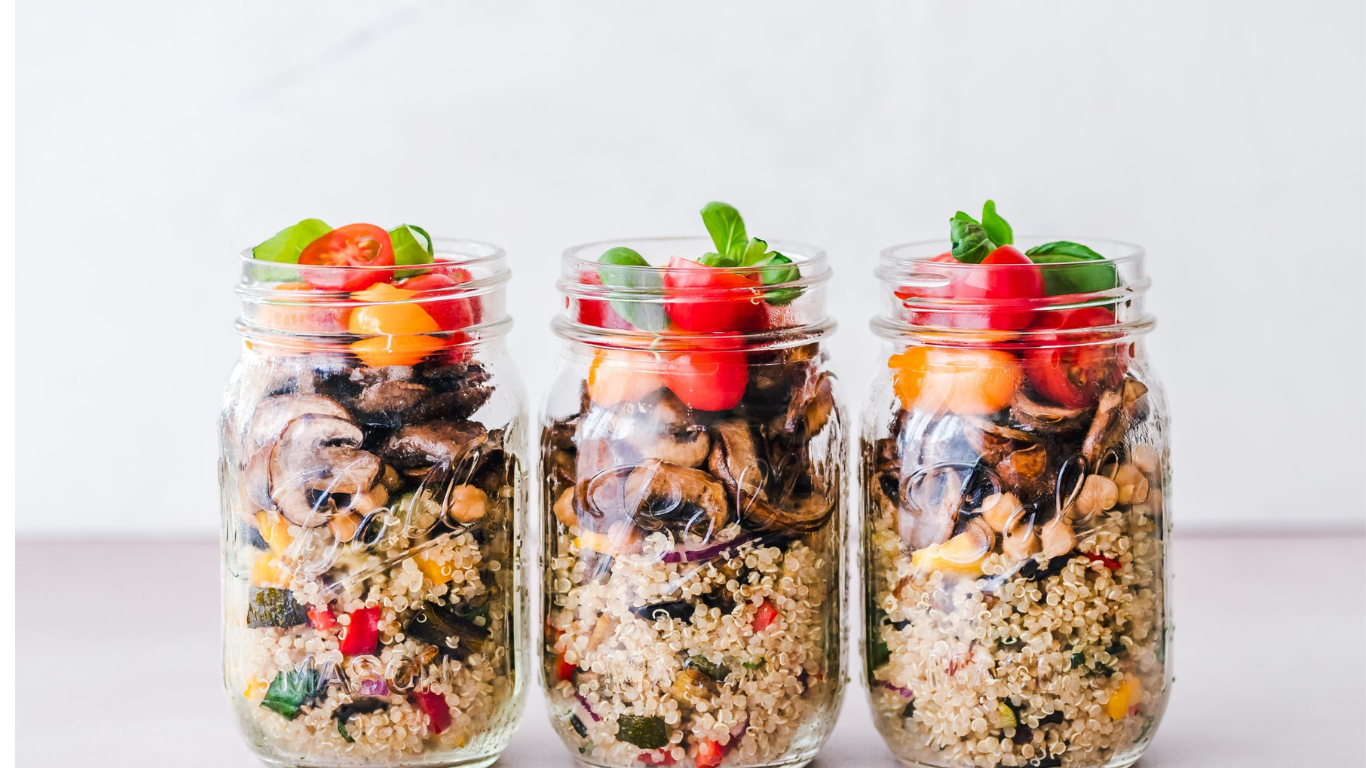
Once your meals are cooked, divide them into individual portions.
Storage Best Practices:
-
Store meals in airtight containers
-
Refrigerate meals for short-term use
-
Freeze meals for long-term storage
-
Label containers with preparation dates
Proper storage keeps meals fresh, safe, and ready to eat.
Meal Prep for Different Lifestyles
Meal prep can be customized for various needs.
Meal Prep for Busy Professionals:
Quick breakfasts, grab-and-go lunches, and simple dinners are ideal for people with demanding schedules.
Meal Prep for Families:
Family-style meals allow flexibility and reduce cooking time. Preparing components separately lets family members customize their plates.
Meal Prep for Fitness Enthusiasts:
High-protein meals, precise portions, and nutrient-dense snacks support workout performance and recovery.
Common Meal Prep Mistakes to Avoid
Even experienced meal preppers can make mistakes.
Common mistakes include:
-
Prepping too many meals at once
-
Choosing meals that don’t reheat well
-
Ignoring food safety guidelines
-
Not adding variety
-
Overcomplicating recipes
Avoiding these mistakes helps maintain consistency and enjoyment.
How to Keep Meal Prep Interesting
One of the biggest challenges of meal prep is boredom.
Tips to Add Variety:
-
Rotate recipes weekly
-
Try different cuisines
-
Use a variety of spices and sauces
-
Prep ingredients instead of full meals
-
Leave room for one fresh meal during the week
Variety keeps meal prep enjoyable and sustainable.
Food Safety and Hygiene Tips
Food safety is essential when preparing meals in advance.
-
Wash hands and surfaces thoroughly
-
Cook food to safe temperatures
-
Cool food before storing
-
Avoid keeping food at room temperature for too long
-
Discard food that shows signs of spoilage
Safe practices protect your health and prevent foodborne illnesses.
The Long Term Benefits of Meal Prepping
When done consistently, meal prep leads to long term improvements in lifestyle.
Benefits include:
-
Better eating habits
-
Improved energy levels
-
Reduced reliance on fast food
-
Greater control over nutrition
-
More free time during the week
These benefits grow stronger over time.
Final Thoughts Meal Prep Like a Pro
Meal prepping is more than just preparing food in advance it is a lifestyle strategy that promotes better health, saves time, and reduces stress. You don’t need advanced cooking skills to get started. With proper planning, simple recipes, and consistency, anyone can meal prep like a pro.
Start small, stay organized, and focus on progress rather than perfection. Over time, meal prep will become second nature, helping you live a more balanced, healthy, and productive life.
Conclusion:
Meal prepping like a pro is not about perfection it’s about preparation, consistency, and smart choices. By planning your meals ahead of time, cooking efficiently, and storing food properly, you take control of your nutrition and your schedule. Meal prep helps you eat healthier, save money, reduce stress, and avoid last-minute unhealthy food decisions.With a little practice, meal prepping becomes a simple habit that fits easily into your lifestyle. Whether your goal is better health, more free time, or improved productivity, mastering meal prep empowers you to stay organized and focused throughout the week. Start small, stay flexible, and enjoy the long-term benefits of eating well with ease.more info…